

Few kitchen experiences rival the aroma of homemade bread rising in the oven. Warm slices fresh from the pan offer comfort, flavor, and a sense of accomplishment that store-bought loaves rarely match. Baking bread at home allows control over ingredients, texture, and sweetness while turning simple pantry staples into something deeply satisfying and nourishing.
Classic White Homemade Bread for Everyday Use
A reliable white loaf is the foundation of homemade bread baking. Tastes Better From Scratch highlights that this recipe uses simple shelf-stable ingredients and requires no milk, eggs, or butter. Begin by proofing active dry yeast in warm water (105–115°F) with a pinch of sugar or honey. After 5–10 minutes, once foamy, add the remaining sugar, salt, oil, and about 3 cups of flour. Gradually mix in more flour until the dough pulls away from the bowl but remains slightly tacky.
Knead for 5–8 minutes until smooth and elastic. Let the dough rise in a greased bowl until doubled, about 1½ hours. Punch down, divide into two logs, and place in loaf pans. After a second rise, bake at 350°F for 30–33 minutes until golden brown and hollow-sounding when tapped. The result is soft, sliceable bread perfect for sandwiches and toast.
Hearty Whole Wheat Bread With Rich Flavor
For a more robust loaf, Sally’s Baking Addiction recommends building flavor through a sponge method. Combine warm water, yeast, milk, and part of the flour, then let the mixture rest for 60–90 minutes until doubled. This step enhances texture and creates a deeper flavor. Once risen, mix in honey, butter, lemon juice, salt, and remaining whole wheat flour to form a sturdy dough.
Knead thoroughly for at least 8 minutes, as whole wheat dough requires extra work to develop elasticity. After the first rise, roll the dough into an 8×15-inch rectangle, roll tightly, and place into a greased loaf pan. Allow a second rise until the dough crowns about an inch above the rim. Bake for 36–40 minutes, until the center reaches 195–200°F. The finished loaf is lightly sweet, hearty, and ideal for sandwiches.
Artisan Sourdough With a Crisp Crust
Sourdough bread delivers complex flavor and a chewy interior. Alexandra’s Kitchen explains that sourdough relies on a starter, which is a fermented mixture of flour and water containing wild yeast and beneficial bacteria. A healthy starter should double in volume within 4–8 hours after feeding, signaling readiness for baking.
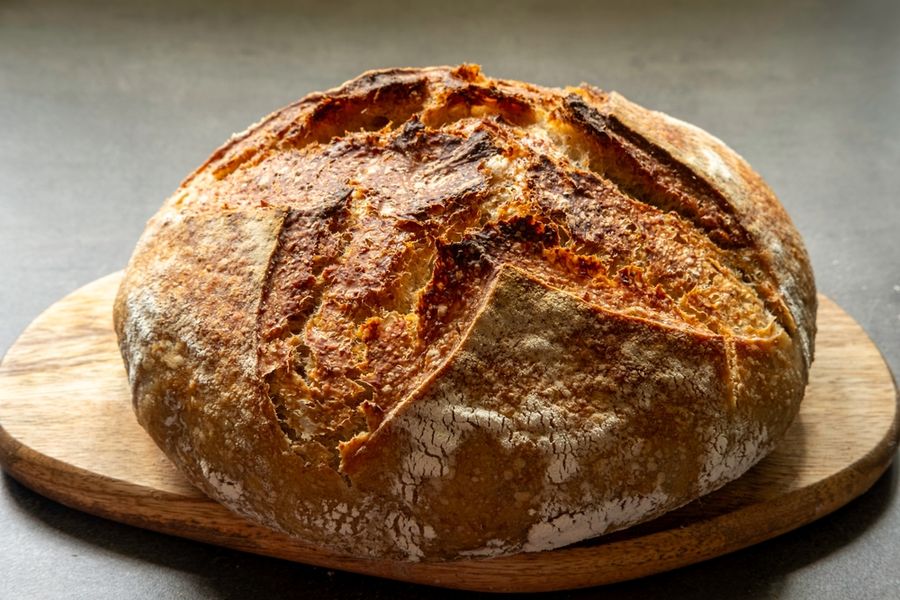
To make the dough, mix bread flour, water, salt, and active starter until a sticky ball forms. Allow bulk fermentation, performing stretches and folds during the first two hours to build strength. After shaping and a short bench rest, refrigerate the dough for a cold proof lasting up to 24–48 hours. Bake in a preheated heavy-lidded vessel, scoring the top before placing it in the oven. The result is a golden crust with a light, airy crumb.
The Benefits of Making Bread at Home
Baking homemade bread offers more than flavor. Ingredient control allows bakers to reduce preservatives, adjust sweetness, and experiment with flour blends. Whole grains, seeds, and natural sweeteners can be incorporated to suit personal preferences. Fresh bread also avoids the additives often found in commercial loaves.
Beyond nutrition, the process itself can be therapeutic. Kneading dough encourages mindfulness, while watching it rise fosters patience. Homemade loaves can be tailored to dietary needs and stored in the freezer for later use. Over time, confidence grows, transforming bread baking into a rewarding weekly ritual rather than an occasional project.
Tips for Successful Homemade Bread Every Time
Consistency comes from understanding dough texture rather than relying strictly on measurements. Humidity and altitude influence flour absorption, so aim for dough that feels slightly tacky but not sticky. Using a digital thermometer ensures proper baking; white and whole wheat loaves typically finish around 190–200°F internally.
Also, allow bread to cool completely before slicing to prevent a gummy texture. Storing loaves in breathable bags or wrapped in a clean kitchen towel maintains crust quality. And finally, remember that practice strengthens intuition, making each batch better than the last. With time, shaping, scoring, and proofing become second nature in the kitchen.
A Warm Slice Worth the Effort
Homemade bread transforms flour, water, and yeast into something extraordinary. From soft white sandwich loaves to hearty whole wheat and crackly sourdough, each variety offers its own personality and reward. Baking at home creates opportunities to experiment while embracing simple, wholesome ingredients.
The scent of fresh bread drifting through the house signals care and craftsmanship. Whether served with butter, stacked into sandwiches, or dipped into soup, a freshly baked loaf carries unmatched satisfaction. With patience and practice, homemade bread becomes a delicious staple that brings comfort to every table.