

Losing your passport while traveling outside the United States can feel overwhelming. Your passport is your main proof of identity and citizenship, and without it, you may worry about how you will return home. The good news is that there is a clear process to follow. Taking calm, quick action can help you fix the problem faster.
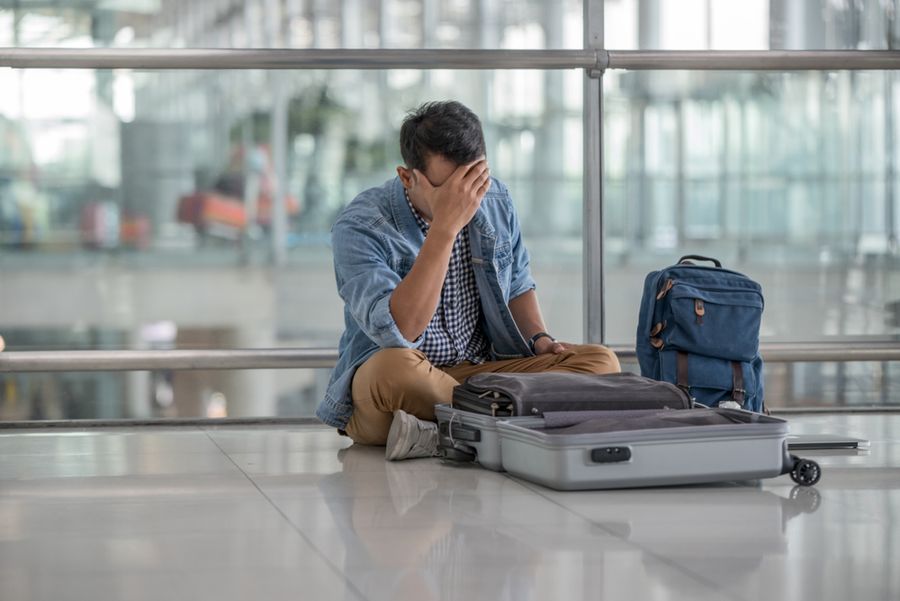
1) Stay Calm and Retrace Your Steps
The first step is simple but important: pause and think. Many lost passports are misplaced, not stolen. Check your bags, hotel room, jacket pockets, and any safe you may have used. Call restaurants, taxis, or tour companies you visited earlier in the day. Acting quickly may help you recover it before starting the replacement process.
If you believe your passport was stolen, treat the situation more seriously and move to the next steps right away.
2) Report the Loss or Theft
You should report a lost or stolen U.S. passport as soon as possible. This protects you from identity misuse and prevents someone else from trying to use your document. While abroad, you will report it at a U.S. embassy or consulate.
You may also file a police report with local authorities, especially if the passport was stolen. A police report is not always required, but it can help support your case.
3) Contact the Nearest U.S. Embassy or Consulate
The U.S. Department of State has embassies and consulates around the world to assist American citizens. Contact the nearest one right away. You can find the closest location on the U.S. embassy website or by calling the emergency number listed for U.S. citizens abroad.
Explain your situation clearly. Embassy staff handle lost passport cases often and can guide you through the next steps. If you have urgent travel plans, tell them immediately.
4) Complete the Required Forms
To replace your passport, you will need to fill out specific forms. The main form for replacing a lost or stolen passport is Form DS-11. You will also complete Form DS-64, which officially reports the loss or theft.
The embassy or consulate will provide these forms and explain how to fill them out. Make sure your information is accurate and complete to avoid delays.
5) Gather Proof of Identity and Citizenship
Even without your passport, you must prove who you are and that you are a U.S. citizen. Helpful documents include a driver’s license, a photocopy of your passport (if you have one), a birth certificate, or another government-issued ID.
If you do not have these items, do not panic. Embassy staff may ask questions to confirm your identity or contact someone in the United States to help verify your information.
6) Get a Replacement or Emergency Passport
In many cases, the embassy can issue an emergency passport quickly if you need to travel soon. Emergency passports are usually limited in validity and meant for immediate return travel. If you have more time, you may be able to receive a full-validity passport instead.
Processing time can vary depending on the country and your situation, but embassies work to help travelers return home as soon as possible.
7) Adjust Travel Plans and Stay in Contact
After applying for your replacement passport, contact your airline to explain the situation. You may need to adjust your flight depending on how quickly your new document is issued. Keep copies of all paperwork and stay in touch with the embassy until the process is complete.
If your wallet was also stolen, monitor your credit and cancel any missing cards right away.
Take Smart Steps to Prevent Future Problems
Losing a passport is stressful, but you can reduce risk on future trips. Keep digital and paper copies of your passport stored separately from the original.
Use hotel safes when available. Register your trip with the U.S. Department of State through the Smart Traveler Enrollment Program (STEP) so you can receive updates and alerts while abroad.
Act Fast and Stay Focused
Losing your passport abroad is serious, but it is not the end of your trip. By staying calm, reporting the loss, and working with the nearest U.S. embassy or consulate, you can solve the problem step by step. Quick action and clear communication are your best tools for getting home safely and with confidence.