

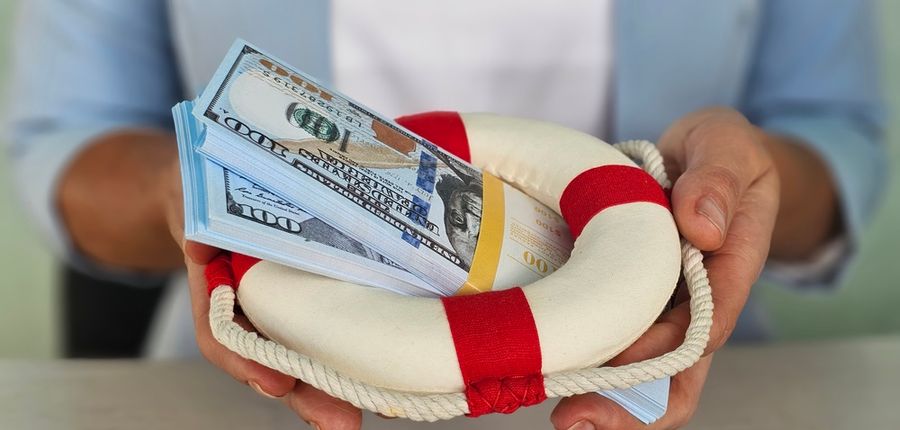
An emergency fund is one of the simplest financial tools you can build, but it is also one of the easiest to delay. Many people know they should save for surprise expenses, yet they are not sure how much to set aside, where to keep the money, or what counts as a real emergency. A strong fund gives you breathing room when life interrupts your paycheck, budget, health, home, or transportation.
Why an Emergency Fund Matters
An emergency fund is money set aside for costs you did not plan for and cannot safely ignore. It is not the same as general savings, vacation money, or a down payment fund. Its purpose is protection against unexpected expenses.
Without a financial safety net, a single urgent expense can turn into debt. A car repair, medical bill, temporary job loss, or home repair may force you to use a credit card, take out a personal loan, or pull money from retirement accounts. Those choices can create fees, interest charges, taxes, or long-term setbacks.
The real value of an emergency fund is not only the money itself. It is the ability to make calmer decisions. When you have cash available, you can compare repair estimates, wait for the right job offer, or handle a bill without panic.
How Much Should You Save?
The size of your emergency funds depends on a variety of factors. A common starting point is three to six months of essential expenses. That does not mean three to six months of your full lifestyle. It means your living expenses: the bills you must keep paying if income stops or a major expense hits.
Essential expenses usually include rent or mortgage payments, utilities, groceries, insurance, minimum debt payments, transportation, child care, and basic medical costs. Nonessential expenses, such as travel, dining out, subscriptions, and extra shopping, should not drive your emergency fund target.
For example, if your household spends $5,000 a month but only $3,500 is truly essential, a three-month emergency fund might be about $10,500. A six-month fund might be about $21,000. That range can feel large, so it helps to build it in stages instead of treating the full number as your first goal.
Start With A Starter Fund
A starter emergency fund is a small first milestone that protects you from minor setbacks while you build toward a larger goal. For many people, this could be $500, $1,000, or one month of essential expenses. The right amount depends on your income, household size, and current obligations.
Use this ladder to build your emergency fund account in stages instead of aiming for the full amount all at once.
|
Stage |
Goal |
Best For |
|---|---|---|
|
1 |
Starter cushion |
Small urgent costs, such as a repair or prescription |
|
2 |
One month of essentials |
First layer of income protection |
|
3 |
Three months of essentials |
Job disruption or several surprise costs |
|
4 |
Six months or more |
Freelancers, homeowners, parents, or single-income households |
|
5 |
Refill after use |
Rebuilding after a real emergency |
Build Around Your Actual Risk
Not every household needs the same emergency fund. A single renter with no car and steady income may need a smaller cushion than a homeowner with children, two vehicles, and variable income. Your fund should match your real life, not a generic rule.
If you have a stable job, low fixed costs, and strong insurance, three months of essential expenses may be a reasonable target. If you are self-employed, work on commission, support dependents, or live in a one-income household, six months or more may be safer.
Homeowners may also need extra cash for repairs that renters can usually pass to a landlord. Parents may need more flexibility for child care disruptions or medical visits. People with older cars may want a separate vehicle repair cushion so transportation problems do not drain the main fund.
Where To Keep Your Emergency Fund
Your emergency fund should be safe, easy to access, and separate from everyday spending money. The goal is not to earn the highest return possible. The goal is to have the money ready when you need it.
A savings account is often a practical choice. A high-yield savings account can help the balance grow while keeping the money available. A money market account may also work if it offers access, federal deposit insurance through an eligible bank or credit union, and no features that make the money hard to reach.
Avoid putting your main emergency fund in stocks, crypto, long-term certificates of deposit, or anything that could lose value or create delays. Investments can be useful for long-term goals, but an emergency fund has a different job. It should protect you from having to sell investments at the wrong time.
What Counts As A Real Emergency?
A real emergency is urgent, necessary, and unexpected. If an expense checks all three boxes, it may be appropriate to use the fund. If it is planned, optional, or avoidable, it should usually come from another part of your budget.
Examples of real emergencies include job loss, urgent medical care, essential car repairs, emergency travel for a family crisis, or a home repair that affects safety. These are situations where delaying payment could create bigger problems.
Holiday shopping, routine car maintenance, annual insurance premiums, and expected school costs are not emergencies. They may be important, but they are predictable. Those expenses belong in sinking funds, which are smaller savings buckets for known costs.
How To Build The Fund Faster
The fastest way to build an emergency fund is to make saving automatic. Set up a transfer from checking to savings on payday, even if the amount is small. Treat it like a bill you owe your future self.
Next, use irregular income on purpose. Tax refunds, work bonuses, cash gifts, overtime pay, and proceeds from selling unused items can move your fund forward quickly. You do not have to put every extra dollar into savings, but assigning a clear percentage can help.
You can also review your budget for leaks. Cancel unused subscriptions, lower discretionary spending for a few months, or pause one nonessential goal until the starter fund is complete. Short-term restraint is easier when it has a specific finish line.
How To Balance Saving And Paying Down Debt
Many people struggle with whether to save first or pay down debt first. The answer is usually both, but not in equal amounts at every stage. If you have no emergency fund, even aggressive debt payoff can backfire because the next surprise expense may go right back on a credit card.
A practical approach is to build a starter fund first, then focus more heavily on high-interest debt while still saving a small amount. Once costly debt is under control, you can increase emergency fund contributions again.
This does not mean ignoring all debt. Minimum payments should stay current, because late payments can create fees and credit damage. The goal is to avoid a cycle where every emergency creates new debt while old debt is still being paid.
Common Mistakes To Avoid
One common mistake is keeping emergency savings in the same account used for daily spending. When the money is too visible, it is easier to spend casually. A separate account creates a useful mental barrier.
Another mistake is setting the target too high at the start. If your first goal is six months of expenses, the number may feel impossible. A starter goal gives you a win and keeps momentum alive.
A third mistake is never replenishing the fund after using it. Emergencies are not failures. The fund did its job. After the situation passes, rebuild the balance before moving extra money back to less urgent goals.
When You Should Adjust Your Target
Your emergency fund should change as your life changes. A new mortgage, child, business, medical situation, or job change can raise the amount you need. A paid-off debt, lower rent, second household income, or stronger insurance coverage can change the picture too.
Review your target at least once or twice a year. You do not need a complicated spreadsheet. Add up essential monthly expenses, multiply by your target number of months, and compare that number to your current balance.
You should also review the bank account itself. Make sure the money is still easy to access, earning a reasonable return for a safe account, and protected by the proper deposit insurance when held at a bank or credit union.
A Simple Path To More Financial Breathing Room
Building an emergency fund does not require perfect finances. It requires a clear target, a safe place for the money, and a repeatable habit. Start with a small first goal, then work toward one month, three months, and eventually the level that fits your household.
The best emergency fund is the one you can actually build and protect. Keep it separate, use it only for real emergencies, and refill it after life forces you to tap it. Over time, that one account can become the difference between a stressful surprise and a manageable problem, so start saving today.
We created this article in conjunction with AI technology, then made sure it was fact-checked and edited by a SpendModo editor.