

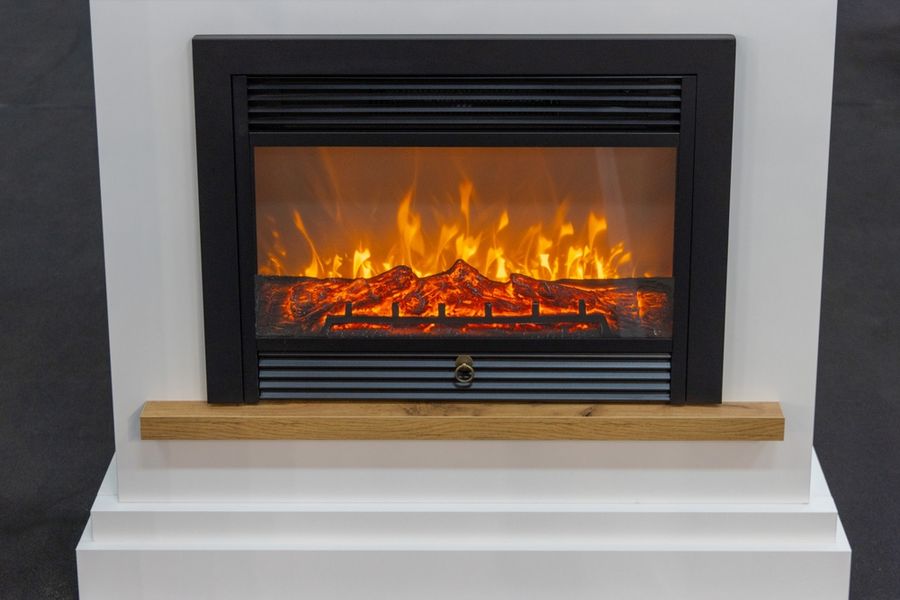
A fireplace can change how a room feels, but the right choice depends on more than looks. A gas insert and a traditional wood-burning fireplace offer very different experiences. One is built for easier use and steadier heat. The other offers the sound, smell, and ritual of a real wood fire. If you're weighing both options, it's helpful to consider how much heat you need, maintenance, safety, air quality, fuel access, and how often you will actually use it.
What Is a Gas Insert?
A gas insert is a sealed heating unit that fits into an existing fireplace opening. It uses natural gas or propane and usually vents through the chimney or a dedicated vent system. Many models have a glass front, burner, log set, and controls that let you start a fire without hauling wood or cleaning ashes.
This option makes the most sense when the existing fireplace looks good but does not heat well. An insert can turn an open fireplace into a more useful heat source, especially if the room is chilly and you want fast, controlled warmth.
What Is a Traditional Fireplace?
A traditional fireplace usually means an open wood-burning fireplace built into masonry or framed into the home. It burns split firewood and vents smoke through a chimney. It is often valued for atmosphere more than practical heating.
This choice appeals to people who enjoy the full fire-building process. You choose the wood, stack the kindling, light the fire, tend the flames, and clean up afterward. That ritual can be enjoyable, but it also adds work and safety responsibilities.
Many people are surprised to learn that open fireplaces are not usually the best option for efficient heating. Some can draw warm indoor air up the chimney and may even create a net heat loss in certain conditions.
Heat and Efficiency
If your main goal is heat, a gas insert usually has the advantage. It is designed to keep more heat in the room instead of letting most of it escape through an open chimney. Many models also include blowers or fans that help move warm air into the living space.
A traditional open fireplace is different. It can feel warm when you sit nearby, but much of the heat can leave through the chimney. The fire also needs air to burn, and that air often comes from inside the house. That can pull heated indoor air out of the home.
This does not mean a traditional fireplace is useless. It can still create comfort, light, and a strong focal point. But it should not be treated like a primary heating system unless it has been upgraded with a properly installed insert or other approved heating appliance.
Maintenance and Daily Use
A gas insert is easier for most households to use, which explains its popularity. You do not need to stack firewood, clean out ashes after each fire, or manage sparks from burning logs. Having said that, you still need to keep the unit clean, follow the manual, and schedule service when needed.
A traditional fireplace takes more hands-on work. You need dry, seasoned wood, safe storage, a fireplace screen, ash handling, and regular chimney care. Ashes should be placed in a metal container with a lid and stored outside away from the home.
The maintenance difference becomes more important if you plan to use the fireplace often. A wood fire once or twice a season may feel like a treat. A wood fire several nights a week can become a chore if you do not enjoy the process.
Safety and Inspection Needs
Both options need safety checks. A gas insert uses fuel, flame, and venting, so it should be installed and serviced correctly. A traditional fireplace uses open flame, burning wood, and a chimney that can collect creosote or become blocked.
For wood-burning fireplaces and stoves, annual professional chimney inspection and cleaning are common safety steps. Fire safety guidance also recommends keeping anything that can burn at least three feet away from fireplaces and wood stoves.
Smoke alarms and carbon monoxide alarms matter with either choice. Any combustion appliance can create risk if it is installed badly, vented poorly, or neglected. The safer option is not just the appliance type. It is the appliance that is installed correctly, maintained properly, and used as intended.
Air Quality and Local Rules
Air quality is another major difference. Wood smoke contains fine particle pollution, and open fireplaces are not the cleanest way to burn wood. Cleaner wood-burning appliances and retrofit devices can reduce smoke, but a traditional open fireplace is still a smoke-producing feature.
A gas insert usually produces less visible smoke and does not create wood ash. That can make it a better fit in areas with wood-burning restrictions or for households sensitive to smoke. Still, gas appliances must vent properly and should not be treated as maintenance-free.
Local rules can also affect the decision. Some cities, counties, and states limit wood burning during poor air quality days. Some areas also have rules about what kinds of wood appliances can be installed. Before committing to a traditional fireplace or wood-burning upgrade, check local requirements.
Cost Factors to Think About
Do not compare only the purchase price. The real cost includes installation, chimney work, gas line work, venting, annual service, fuel, repairs, and any upgrades needed to bring the system into safe condition. The average gas fireplace insert costs approximately $2,300 for the unit alone and about $3,700 with materials and labor, while more complex projects can cost much more when venting, surrounds, or added work are involved.
A traditional fireplace can also carry ongoing costs that are easy to overlook. Firewood must be bought or sourced, stored properly, and kept dry. Tools, screens, ash containers, and chimney service also belong in the budget.
The better value depends on use. If you want frequent heat on cold nights, a gas insert may justify the larger setup because it is easier to use often. If you mainly want a few seasonal fires for atmosphere, keeping a traditional fireplace may make more sense if the chimney is already safe.
Which One Fits Your Home?
Choose a gas insert if you want the fireplace to act more like a dependable room heater. It is also the better fit if you want quick starts, cleaner daily use, less mess, and fewer chores. This choice works well for people who like the look of a fire but do not want the work of building one.
Choose a traditional fireplace if your main goal is atmosphere. It fits people who enjoy wood fires, have safe firewood storage, and do not mind the cleanup. It can also make sense if the fireplace is used only occasionally and the existing chimney is in good condition.
The decision may also depend on the fireplace you already have. A damaged chimney, poor draft, small firebox, or local wood-burning limits can push the choice toward an insert. A well-built, well-maintained fireplace in a home where wood fires are part of family life may still be worth keeping.
Quick Decision: Gas Insert vs. Traditional Fireplace
Choose a gas insert if: You want the fireplace to provide more usable heat, you plan to use it often, or you want a fire that starts quickly without hauling wood or cleaning ashes.
Skip a gas insert if: You do not have natural gas or propane access, your fireplace opening is not a good fit, or you mainly want the sound and scent of a real wood fire.
Choose a traditional fireplace if: You mostly want atmosphere, you enjoy building and tending a fire, and you are prepared for firewood storage, ash cleanup, and regular chimney care.
Skip a traditional fireplace if: You want dependable room heat, dislike smoke or cleanup, or live in an area where wood burning is often restricted during poor air-quality days.
The Best Choice Is the One You Will Use Safely
A gas insert is usually the better choice for practical heat, convenience, and regular use. It turns an existing fireplace opening into a more controlled appliance and removes much of the work that comes with wood fires. For many homes, that makes it the more useful everyday option.
A traditional fireplace is better for people who care most about the classic wood-fire experience. It offers sound, scent, and ritual that a gas insert cannot fully copy. But it also brings more cleanup, more smoke, and more safety duties.
Before deciding, have the existing fireplace and chimney checked by a qualified professional. Then compare your real goals. If you want heat and convenience, lean toward a gas insert. If you want occasional atmosphere and enjoy tending a fire, a traditional fireplace may still fit your home.
We created this article in conjunction with AI technology, then made sure it was fact-checked and edited by a SpendModo editor.