

Choosing the right grill can make outdoor cooking far more enjoyable, whether you're hosting backyard parties, preparing weeknight dinners, or experimenting with new flavors and cooking methods. With charcoal, gas, and pellet grills all offering different strengths, it can be challenging to know which one fits your cooking style. For people who want good food without unnecessary complications, understanding the key differences between the types of grills will help you make a confident decision and get the most from your outdoor cooking setup.
Charcoal Grills: Flavor and Flexibility
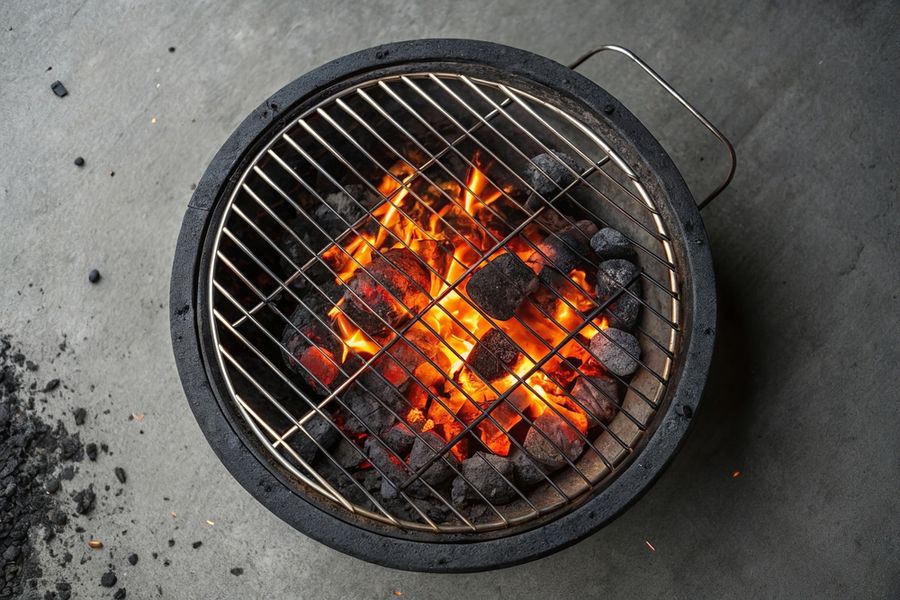
Charcoal grills are known for producing a deep, smoky flavor that many grill lovers consider unmatched. When charcoal heats and burns, it creates a distinct taste that gas and pellet grills have difficulty replicating. If you enjoy cooking slowly or creating a crust on steaks and burgers, charcoal delivers the high temperatures needed to achieve those results. With good airflow, they can reach temperatures up to 900 degrees Fahrenheit.
Another advantage of charcoal grills is flexibility. You can arrange coals in different patterns—such as direct heat for searing or indirect heat for slow cooking—which gives you control over temperature zones. This makes them ideal for people who like to experiment or who enjoy hands-on cooking.
However, charcoal does require more effort. It takes longer to heat up, and you'll need to monitor airflow to control temperature. Cleaning up the charcoal ash afterward also adds a bit of work. Charcoal grills are great for people who love the cooking process of grilling food as much as the results, but they may feel time-consuming for those who want quick meals with minimal fuss.
Gas Grills: Convenience and Speed
Gas grills are often the go-to choice for busy households because they heat quickly and are easy to use. With the turn of a knob, you can light the burners and reach cooking temperature in minutes. This makes gas grills perfect for weeknight meals or situations when you want to prepare food without waiting for charcoal to ignite.
Temperature control is one of the strongest features of gas grills. Gas grills typically top out between 500 and 600 degrees Fahrenheit, but higher end models can reach 700. The steady, adjustable heat allows you to cook everything from vegetables to steaks with predictable results. Whether you're grilling for two or entertaining a crowd, a gas grill ensures food cooks evenly, ensuring reliability and ease of operation. If your grill is big enough, this type also allows for a mix of direct grilling and indirect grilling by keeping burners on one side off.
Gas grills also require less cleanup than charcoal models. Since there's no ash, the main maintenance involves cleaning grates and emptying grease trays. The trade-off is flavor. While you can still get excellent results, gas grills don't naturally provide the smoky richness associated with charcoal or pellet cooking. Some models include smoker boxes to help enhance flavor, but the effect is more subtle.
For anyone who values convenience and wants a simple, efficient way to grill regularly, a gas grill is often the best choice.
Wood Pellet Grills: Steady Heat and Wood-Fired Flavor
Pellet grills combine the ease of gas grilling with the richer flavors of wood cooking. They use compressed hardwood pellets as fuel, which burn cleanly and add a mild smoky taste, and are well suited to low and slow cooking, as they max out at lower temperatures of around 450 degrees Fahrenheit. A built-in controller manages temperature automatically, feeding pellets as needed to maintain even heat. This makes pellet grills extremely user-friendly.
One of the biggest advantages of a pellet grill is consistency. Whether you're slow-smoking ribs or baking a casserole, the grill holds a steady temperature without constant monitoring. This makes it a favorite among people who want flavorful results without having to babysit the grill.
Pellet grills are a type of electric grill, so you'll need access to an outlet to power the controller and auger. They also have more mechanical components than charcoal or gas grills, which means more parts to maintain. While cleaning is generally straightforward, you will need to empty the fire pot and keep the hopper dry to prevent pellet damage.
If you enjoy smoky flavor but don't want to manage coals or adjust vents, a pellet grill may offer the perfect compromise.
Portable Grill Options
The level of portability of a grill is another consideration, particularly if you rent, live somewhere with a balcony instead of a yard, or want to bring it with you on day trips or road trips. Portable grills tend to be smaller, so you can cook less food at a time, but they still offer many of the same benefits of larger models.
Charcoal, gas, and pellet grills each come in portable models. Charcoal portables include kettle-style tabletop grills and small hibachi-style units while portable gas options include tabletop and tank-top propane models designed for camping and tailgating. Pellet portables are a smaller but growing category, with brands like Traeger making compact, often battery-powered units for travel and camping trips.
Matching the Grill to Your Cooking Style
Choosing between charcoal, gas, and pellet grills ultimately comes down to your needs and preferences. If flavor is your top priority and you enjoy hands-on cooking, charcoal gives you control and a traditional grilling experience. If you want fast, predictable meals with minimal preparation, gas grilling is hard to beat. If you're aiming for wood-fired flavor with consistent heat and low effort, a pellet grill provides the balance you're looking for.
Space and fuel access also matter. Gas grills require a propane tank or natural gas line, pellet grills need electricity and dry pellet storage, and charcoal grills need room to store briquettes or lump charcoal. Think about how often you grill, how much time you like to spend cooking, and what flavors you prefer.
Choose the Grill Type That Fits Your Lifestyle
Though gas and charcoal grills are the most common, the best grill is the one that matches how you cook and how much time you want to spend doing it. Charcoal grills offer unmatched flavor and flexibility, gas grills provide speed and convenience, and pellet grills deliver consistent heat with wood-fired character.
For people looking to elevate their outdoor cooking, understanding these differences makes it easier to choose a setup that brings out the best in every meal—whether you're searing (check out those grill marks!), smoking, or simply grilling with friends. So what are you waiting for? Your grilling journey is just beginning!
We created this article in conjunction with AI technology, then made sure it was fact-checked and edited by a SpendModo editor.