

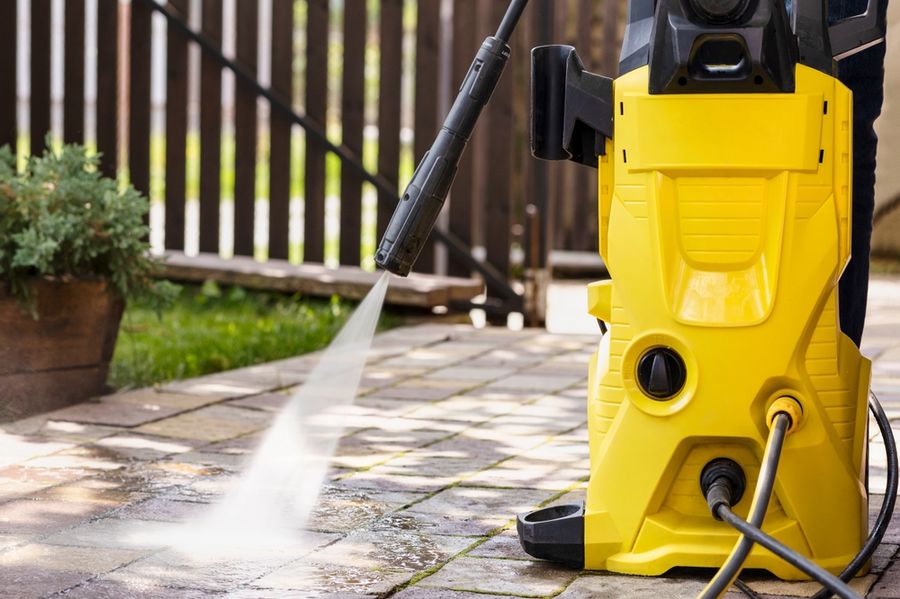
The Key Differences Between Gas and Electric Pressure Washers
Pressure washers (or power washers as some call them) make outdoor cleaning faster and more effective, whether you're washing a driveway, brightening siding, or blasting mud off a patio. But choosing between a gas or electric model can feel confusing if you're not sure how each one performs. For people who want the right balance of power, convenience, and maintenance, understanding the key differences helps you pick a unit that works best for your home and your cleaning goals.
How Do Pressure/Power Washers Work?
Pressure washers work by boosting ordinary tap water to very high pressure and firing it through a narrow nozzle, so the same volume of water hits the surface with far more force per square inch.
The core components: an electric motor or gas engine drives a pump (usually axial or triplex plunger style). Water from a garden hose flows into the pump at normal household pressure and low volume. Inside the pump, pistons or plungers moving in cylinders compress that water dramatically, then a series of one-way inlet and outlet valves control the flow so the pressurized water only moves forward, into the outlet hose rather than back toward the supply.
That pressurized water travels through a high-pressure hose to the spray gun, where it exits through a nozzle. The nozzle's small opening is what actually produces the cleaning force: squeezing the same flow through a tiny orifice speeds the water up into a concentrated jet, and different nozzle tips (0 to 40 degrees, typically) change the spray pattern from a pinpoint jet to a wider fan.
Two numbers define a unit's power: PSI (pounds per square inch), which measures the force of the spray, and GPM (gallons per minute), which measures water volume. Multiplying them gives "cleaning units," a rough measure of overall cleaning power. Some models add a detergent system, where a venturi effect at the nozzle draws soap from a tank and mixes it into the stream at low pressure to help get out tough stains, and some use an unloader valve to divert water back to the pump inlet when the trigger is released, preventing pressure buildup from damaging the system.
Power and Cleaning Strength
The most noticeable difference between gas and electric pressure washers is their cleaning power. Gas powered models typically produce higher pressure levels, making them better suited for demanding tasks like cleaning large concrete areas, stripping paint, or removing thick grime and dirt. Their engines generate strong water force, which can cut through tough buildup quickly.
Electric pressure washers, on the other hand, offer moderate pressure that works well for lighter tasks. They're great for cleaning cars, outdoor furniture, small patios, and siding that needs gentle care. Because electric units don't reach the same intense pressure levels as gas models, they're easier to control and less likely to damage delicate surfaces.
Choosing between them often comes down to what you'll clean most often. If you need heavy-duty performance, gas models deliver more power. If you're tackling everyday outdoor cleaning, an electric unit is usually enough.
Ease of Use and Operation
Another major difference is how easy each type is to start and operate. Electric pressure washers are generally plug-and-go devices. Once connected to power and water, most start with a simple switch. This makes them user-friendly for beginners or anyone who wants quick, hassle-free operation.
Gas pressure washers require more preparation. They use fuel, need periodic oil checks, and usually start with a pull cord. While not overly complicated, they do take more effort than flipping a switch. They also tend to be heavier, which can make them harder to move around, especially for long cleaning sessions or if you're working across uneven surfaces.
Electric pressure washers are lighter, more compact, and easier to wheel or carry. If easy storage, portability, and quick setup matter to you, an electric model may be the better choice. If you're comfortable with maintaining a small engine and need power, a gas unit might make more sense.
Noise, Maintenance, and Environmental Impact
Gas pressure washers generate more noise because they use combustion engines. This can be an important factor if you live in a neighborhood where loud equipment may disturb others. Electric pressure washers operate much more quietly, which many homeowners prefer for routine cleaning tasks.
Maintenance also differs significantly. Gas models require more maintenance, including regular engine care via changing the oil, checking the fuel tank, and replacing spark plugs. They may also need winterizing if stored in cold areas. Electric pressure washers have simpler upkeep, usually limited to cleaning the pump, checking hoses, and storing the unit in a dry place.
From an environmental standpoint, electric machines are cleaner. They run without emissions and use household electricity instead of gasoline. Gas models emit fumes and require proper ventilation during use. For those who want an eco-friendlier option, electric pressure washers are the more sustainable choice.
Portability and Where You Can Use Them
Portability affects where and how you can use each type. Electric pressure washers must be plugged into a power outlet, which limits their range unless you use long extension cords rated for outdoor equipment. This restriction matters if you have a large property or need to clean areas far from the house.
Gas pressure washers are fully portable—they go wherever you bring them. Since they don't rely on an electrical outlet, they're ideal for large driveways, farm equipment, remote areas, or job sites where power access is limited. Their wheels and sturdy frames help them handle rough terrain, but the added weight can make them tiring to move.
If your pressure wash tasks are close to your home, an electric unit is convenient. If you need flexibility and access beyond a power cord's reach, a gas model is better.
Safety and Surface Suitability
Gas pressure washers require more caution because their higher pressures can damage surfaces if used incorrectly. Wood decks, car paint, and vinyl siding can be harmed if the nozzle is too close or too strong. That doesn't mean gas models can't clean these surfaces, they just demand more awareness and a proper choice of nozzle.
Electric pressure washers are more forgiving and better suited for delicate surfaces. Their lower pressure levels reduce the risk of accidental damage and make them ideal for beginners.
Regardless of the type, choosing the right spray tip and maintaining a safe distance is important for both performance and safety.
Choose the Washer That Fits Your Cleaning Style
Gas and electric models each offer clear advantages, but the best pressure washer depends on how and where you plan to use them. Gas powered power washers provide high pressure, wide reach, and fast cleaning for tough jobs. Electric models offer convenience, quieter operation, and easier maintenance for everyday tasks.
For homeowners wanting a reliable tool, thinking about your typical cleaning needs, comfort level with maintenance, and how much power you truly need leads to a smarter, more satisfying purchase.
We created this article in conjunction with AI technology, then made sure it was fact-checked and edited by a SpendModo editor.