

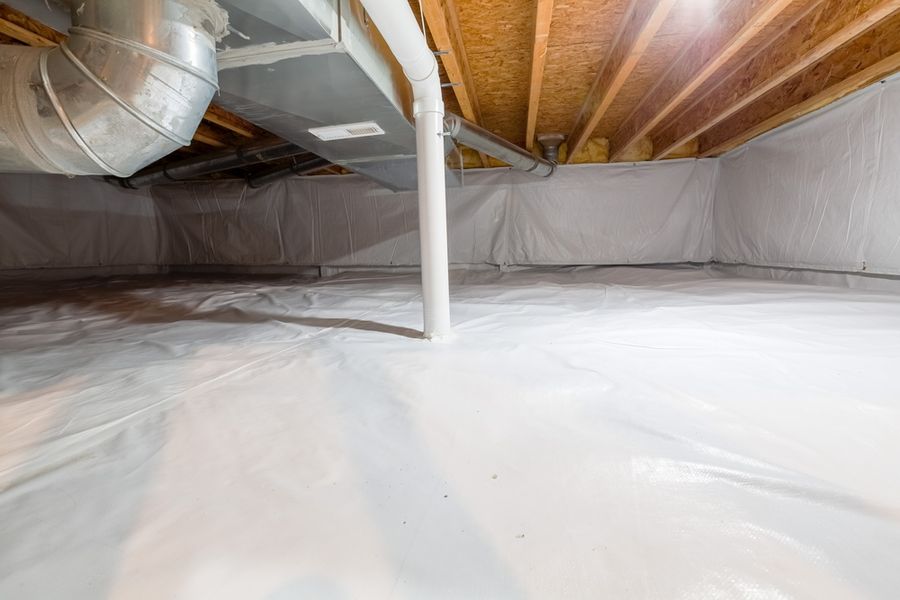
Older homes often have crawl spaces that were built for a different era of home performance. Unfortunately, dirt floors, open vents, old insulation, poor drainage, and gaps around pipes can all make the space harder to control. The right upgrades can help reduce moisture, protect floor framing, improve comfort, and make the area easier to inspect. The challenge is knowing which work matters first, since crawl space projects can quickly become larger than expected.
How These Crawl Space Upgrades Were Ranked
The strongest upgrades are the ones that address the source of the problem, not just the symptom. These picks are ranked by three criteria: moisture control, protection for older framing, and long-term practicality.
Water management ranks first because moisture problems should be corrected before a crawl space is sealed or insulated. Bulk water and site moisture should be handled before retrofitting a vented crawl space into an unvented, insulated space.
Crawl Space Protection Upgrades at a Glance
Each upgrade solves a different crawl space problem. The best sequence usually starts with water, then moves toward sealing, insulation, and humidity control.
|
Rank |
Option |
Best For |
Standout Feature |
|
1 |
Drainage correction |
Active moisture |
Solves water first |
|
2 |
Vapor barrier |
Dirt-floor spaces |
Blocks ground vapor |
|
3 |
Air sealing |
Drafty floors |
Stops air leaks |
|
4 |
Wall insulation |
Conditioned crawl spaces |
Improves thermal control |
|
5 |
Humidity control |
Sealed spaces |
Manages damp air |
1. Drainage Correction: Best Overall
Drainage correction comes first because a crawl space cannot be protected well if water keeps entering it. This may include fixing grading, extending downspouts, clearing gutters, improving exterior drainage, or dealing with standing water before installing liners or insulation.
Below-grade water management is necessary for below-grade spaces, which makes drainage and moisture control especially important around crawl spaces, basement foundations, and other areas in contact with surrounding soil.
Pros:
- Targets root moisture
- Protects future upgrades
- Helps limit standing water
Cons:
- May require exterior work
- Needs careful diagnosis
Best for: Choose drainage correction if the crawl space shows puddling, wet soil, water stains, damp foundation walls, or musty smells after storms.
2. Ground Vapor Barrier: Best for Dirt-Floor Crawl Spaces
A ground vapor barrier is often the next major upgrade for older homes with exposed soil under the floor. The crawl space floor should be covered with heavy polyethylene that is sealed to walls and piers to create a continuous vapor barrier, whether the crawl space is vented or unvented. The limitation is that plastic sheeting alone will not fix bulk water, bad grading, or a drainage problem.
Pros:
- Covers exposed soil
- Reduces ground moisture
- Supports cleaner access
Cons:
- Not a drainage fix
- Seams must be sealed
Best for: Choose a vapor barrier if the crawl space has bare dirt, musty smells, dusty storage, or visible ground moisture but no major standing-water problem.
3. Air Sealing: Strongest for Drafty Floors and Gaps
Air sealing matters because older homes often have gaps around rim joists, plumbing penetrations, wiring runs, duct chases, and access doors. Those gaps can let crawl space air move into the living area and can make floors feel colder in winter. Sealing air leaks and adding insulation in basements or crawl spaces can provide benefits when done correctly.
Pros:
- Reduces air movement
- Helps comfort upstairs
- Supports insulation work
Cons:
- Hard to inspect fully
- Needs safe material choices
Best for: Choose air sealing if the home has cold floors, drafts near baseboards, gaps around pipes, or a crawl space that seems connected to indoor air.
4. Crawl Space Wall Insulation: Best for Conditioned Spaces
Wall insulation is best after the crawl space is dry enough and the air-sealing plan is clear. In an unvented crawl space, the walls are often treated as part of the conditioned area, and they need insulation. Keep in mind that a termite inspection gap may be required in some areas.
Pros:
- Helps thermal control
- Supports sealed designs
- Useful near ductwork
Cons:
- Moisture must come first
- Pest inspection rules matter
Best for: Choose wall insulation if the crawl space will be sealed or conditioned and contains ducts, pipes, or equipment affected by outdoor temperatures.
5. Dehumidifier and Humidity Monitoring: Best for Sealed Crawl Spaces
A dehumidifier or humidity monitor can help manage damp air after water, ground vapor, and air leaks are addressed. Moisture can be removed from indoor air through dehumidification, and ventilation only dries a space when outdoor air is drier than indoor air. This makes humidity control useful in sealed crawl spaces, but it should not be used as a shortcut around drainage or vapor control.
Pros:
- Tracks damp-air risk
- Supports sealed spaces
- Helps spot changes
Cons:
- Needs power and upkeep
- Not a water fix
Best for: Choose humidity control if the crawl space has already been sealed or improved but still feels damp, smells musty, or needs ongoing monitoring.
Recommended Crawl Space Upgrade
Drainage correction is the first upgrade to prioritize because every other improvement depends on keeping bulk water under control. A vapor barrier, sealed gaps, insulation, and humidity control all work better when the crawl space is not fighting roof runoff, poor grading, or wet soil.
That said, the best long-term result usually comes from a sequence, not one isolated fix. A real crawl space improvement plan should move in order: water first, ground vapor second, air leaks third, then insulation and humidity control if the space is being sealed or conditioned.
How to Choose the Right Upgrade for Your Crawl Space
Start with what happens after rain. If the soil gets wet, water collects near the foundation, or the space smells stronger after storms, lean toward drainage correction before adding liners or insulation. Covering a wet problem can trap trouble instead of solving it.
Next, look at the floor and walls. If the crawl space has exposed dirt, a sealed ground vapor barrier is usually more important than cosmetic cleanup. If the upstairs floors feel cold or drafty, air sealing and insulation may matter more after moisture is under control.
Finally, think about how the space is used. If the crawl space holds ducts, plumbing, HVAC equipment, or stored items, a sealed and managed setup may protect more than the framing. If it is rarely accessed and mostly dry, a simpler moisture-control plan may be enough.
Frequently Asked Questions
Should an older crawl space be encapsulated?
Encapsulation can make sense when moisture, open vents, exposed soil, and air leaks are all part of the problem. It should not begin until drainage and bulk water issues are identified, because sealing a wet space can create new problems.
Is a vapor barrier enough by itself?
A vapor barrier can help reduce ground moisture, especially over bare soil. However, it is not enough if rainwater, plumbing leaks, poor grading, or standing water are the real source of the dampness.
Can crawl space upgrades improve comfort upstairs?
They can, especially when air leaks and insulation problems are part of the issue. Sealing and insulating basement or crawl space areas can help when done correctly, but moisture control should remain the first step.
A Better Crawl Space Starts With Moisture Control
The best crawl space upgrade for an older home is the one that solves the first problem, not the most visible one. Drainage correction, vapor control, air sealing, insulation, and humidity monitoring can all help, but they work best in the right order.
Start by keeping water out, then reduce ground moisture, seal air leaks, and only then consider insulation or ongoing humidity control. That sequence gives the home a stronger foundation for comfort, durability, and long-term protection.
We created this article in conjunction with AI technology, then made sure it was fact-checked and edited by a SpendModo editor.