

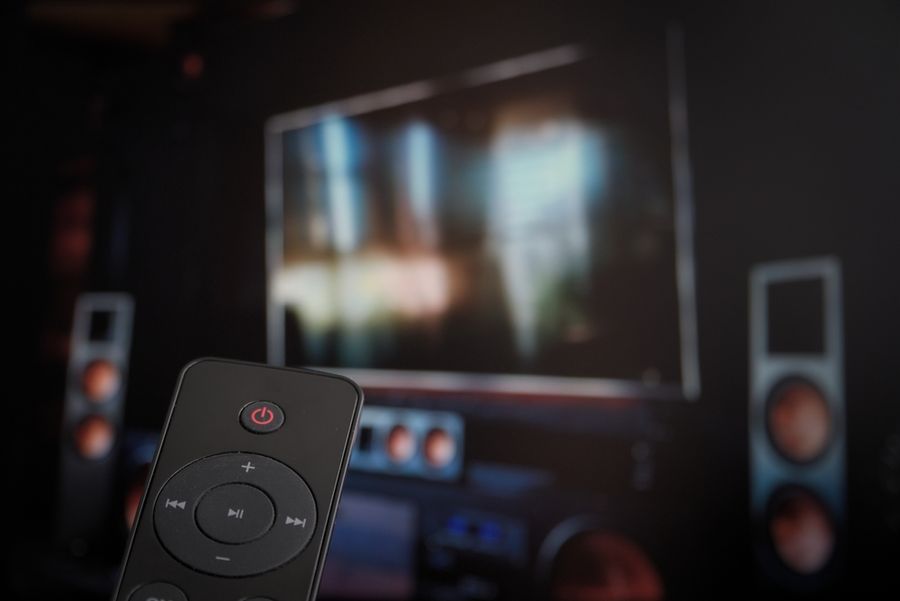
The Key Components to Creating an Immersive Surround Sound System Set-Up
A surround sound system uses multiple speakers placed around your room to deliver audio from different directions, making movies, games, and music at home feel more immersive and lifelike than TV speakers alone. If you want a home theater feel without turning the setup into a complicated project, it helps to understand the core parts first. Understand the essential components of a surround sound system, including the AV receiver, front and surround speakers, subwoofer, wiring, calibration, and room setup, so you can build a system that fits your space and your expectations.
Start With a Capable AV Receiver
The AV receiver is the center of any surround sound setup. It routes audio from your devices—such as streaming boxes, gaming consoles, and Blu-ray players—to your speakers. A good receiver should support the number of speakers you plan to use, since these systems can use five to eleven discrete channels. The first number refers to the main channels in layouts such as 2.1, 3.1, 5.1, and 7.1. The .1 denotes the sub channel for bass, and audio channels shape sound placement and overall immersion.
When choosing a receiver, make sure it includes enough HDMI ports for your equipment, with HDMI eARC connectivity as an important purchase consideration. It should also offer support for common audio format specs used in movies, including dolby atmos, which adds height channels for more three-dimensional playback. Another helpful feature is automatic speaker calibration. This adjusts the sound for your room's unique acoustics, making the system easier to set up, especially if you're not familiar with audio tuning, and it is also worth checking other connectivity features like bluetooth for added convenience.
A reliable AV receiver ensures that your speakers work together smoothly, delivering balanced sound without you constantly adjusting settings. Because it's such a core component, it's worth choosing one that matches your long-term plans.
Front Speakers: Your Primary Sound Source
Front speakers—left, center, and right—make up the main structure of a surround sound system. These three produce most of the dialogue, music, and main sound effects. The left and right speakers handle music and directional effects, while a dedicated center channel is what keeps dialogue clear and intelligible.
The center speaker is especially important. Because most voices in movies come through this speaker, a quality center channel improves dialogue clarity, so lines can still be heard when effects get loud without raising the volume. Place it directly above or below your TV so voices feel naturally centered on the screen and the listening experience stays focused.
The left and right speakers should sit at ear level and form a slight angle toward where you sit. This placement helps create a natural stereo effect and supports the immersive feeling when paired with the rest of the system. The front three-speaker layout also highlights the difference from stereo: traditional stereo systems often deliver strong sound quality and music imaging with fewer components, but this setup anchors dialogue better for movies and TV.
Surround and Rear Speakers: Bringing Your Room to Life
Surround speakers create a bubble of audio around the listener that makes a movie or game feel immersive and pulls you deeper into the world. They can place detailed sound at precise locations in the room and, with more channels than stereo, better track on-screen movement, which is especially effective when you watch movies or play games. These are typically placed to the sides or behind your seating area, with rear speakers helping complete the effect. Their job is not to overpower the main speakers but to deliver background effects, such as footsteps behind you, rolling thunder, or crowd noise in a stadium scene.
Because these speakers handle subtle effects, placement matters just as much as the speakers themselves. Ideally, they should sit slightly above ear level. This helps the sound move around the room more naturally and prevents the effects from feeling too direct or harsh.
Some setups also include height speakers or upward-firing speakers. In dolby atmos systems, a 5.1.2 setup adds two height speakers for overhead effects, making your room feel larger and more dimensional. Although optional, they can add a dramatic upgrade to your home theater experience by creating a more three-dimensional audio field with greater depth and direction.
A Subwoofer for Deep, Rich Bass
A subwoofer is the .1 bass channel in a surround setup, handling low-frequency impact such as explosions, deep musical notes, and dramatic rumbling effects. Even a simple system benefits from a subwoofer because it adds depth and weight to the audio that regular speakers cannot fully reproduce, improving overall sound quality.
Placement affects performance, so you may need to experiment. Many people place subwoofers near a corner, which often strengthens bass. Others prefer positioning it in the front of the room near the receiver. The best location depends on your room's shape, furniture, and even flooring, so it can take a few tries to find what sounds the most balanced.
A good subwoofer should provide deep bass and enhance sound performance, blending smoothly with the rest of the system instead of calling attention to itself.
Wiring, Calibration, and Room Setup
Even the best speakers won't deliver good sound if they're poorly connected or improperly calibrated. Some systems use wireless links to reduce cable clutter, though that convenience can limit future upgrade flexibility. Many models also include Bluetooth connectivity, and in some simplified setups rear speakers still connect by wires to the subwoofer, as with some Vizio packages. Using quality speaker wire helps maintain a clean signal between the receiver and the speakers. Keep wires organized and secure so they don't become a tripping hazard.
Most modern receivers include calibration tools that follow a simple process: the receiver uses a small microphone to measure your room, then adjusts timing and levels automatically. This test helps set speaker distances, volume levels, and timing delays so the audio reaches your ears at the right moment. Even a basic calibration can significantly improve clarity and balance.
Room setup also affects your system's overall performance. Hard surfaces can reflect sound, while soft materials like rugs or curtains help absorb it. Balancing these elements helps you avoid echoes and ensures your surround sound feels crisp and clean.
Build Surround Sound Systems That Fit Your Space
The best surround sound system for you depends on your room size and how you plan to use it. By choosing a reliable AV receiver, placing your front and surround speakers correctly, adding a well-positioned subwoofer, and spending time on setup and calibration, you can create an immersive audio experience that transforms your home entertainment.
For people looking to bring theater-level sound into their living rooms, what should matter most is matching your budget and goals. If you mainly watch movies or play games, that can be the best surround sound system choice because surround sound is especially effective there, and how much you spend often shapes how much performance and value for your money you can expect.
We created this article in conjunction with AI technology, then made sure it was fact-checked and edited by a SpendModo editor.