

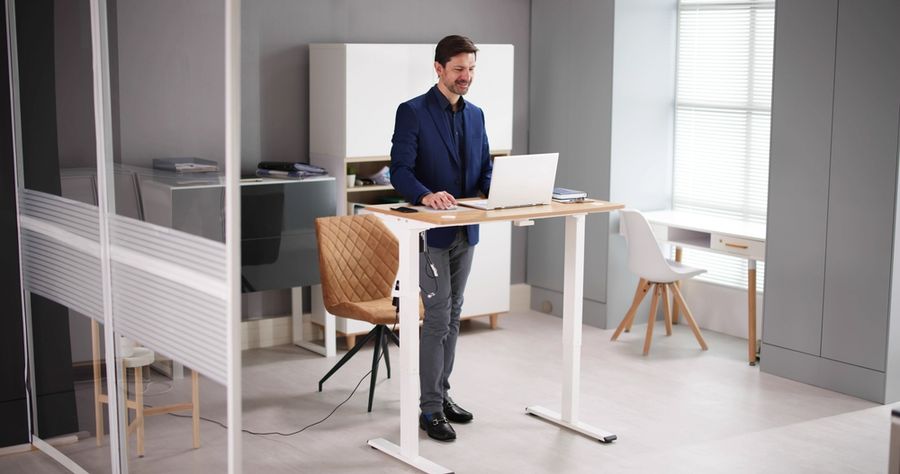
Standing desks, also known as sit stand desks - have grown in popularity as more people look for ways to stay active and comfortable during long workdays. Whether you work from home or spend hours in an office, sitting for extended periods can leave your body feeling stiff and tired. A standing desk offers a flexible alternative, allowing you to switch between sitting and standing whenever you need a change. If you want a healthier, more balanced work routine, a standing desk can provide several meaningful benefits.
1. Supports Better Posture Throughout the Day
One of the most immediate health benefits of a standing desk is improved posture. Many people tend to slouch or lean forward when they sit for long stretches, especially if their chair or desk height isn't ideal. Over time, this can lead to rounded shoulders, neck pain, and discomfort in the lower back, especially for people like office workers who spend eight hours, five days a week doing desk work. All that time creates strain!
Standing encourages a more upright, aligned body position. When your desk and computer screen are set at the right standing height, your shoulders stay relaxed, your neck stays neutral, and your spine maintains its natural curve. Switching between a sitting and standing position gives your back a break from repetitive strain and helps you maintain healthier posture without force.
Improved posture can also increase comfort during daily tasks. With less slouching and fewer awkward angles, your body can stay focused and balanced for longer periods.
2. Reduces Stiffness and Discomfort From Prolonged Sitting
Sitting for long hours can make your hips tight, your legs stiff, and your back sore. These feelings often build up toward the end of the day and can affect how you move once you're off the clock. Standing desks help by breaking up long periods of stillness.
When you stand, your muscles stay more active than when you sit. You naturally shift your weight, stretch, and adjust your position. These small movements promote better circulation and enhanced blood flow, which reduces the risk of poor health outcomes such as blood clots. Even standing for short intervals throughout the day can ease the tension that often comes from sitting too long.
This improvement in comfort adds up over time. By alternating between sitting and standing, you help your body stay looser and more energized throughout the workday.
3. Encourages More Natural Movement
Movement is one of the simplest ways to support your health, and a standing desk makes it easier to incorporate movement into your daily routine. Standing encourages you to shift weight, stretch your legs, or take short breaks to walk. These small movements may not feel like exercise, but they help support an active lifestyle.
Standing can also make you more aware of opportunities to move. You may find that standing leads to more natural stretching or brief walking breaks (which benefit your cardiovascular system and prevent unwanted weight gain) that feel effortless. This steady activity helps break up long periods of sitting and keeps your energy levels more consistent., leading to increased productivity.
Because standing desks allow you to move without interrupting your workflow, they fit easily into busy schedules. They can also be paired with additional tools to further support your heart health such as a treadmill desk or walking pad, which goes under a standing desk and allows the users to walk in place while working.
4. Improves Alertness and Focus
Many people notice improved alertness when using a standing desk. Standing helps you stay engaged and reduces the sluggish feeling that sometimes occurs after sitting for long periods—especially during mid-morning or mid-afternoon slumps.
The physical act of standing encourages a more attentive posture. You're less likely to lean back, zone out, or sink into your chair. This helps your mind stay sharper and more focused. For tasks that require concentration, such as writing, planning, or participating in meetings, standing can help maintain momentum.
Some people find that alternating between standing and sitting keeps their energy more balanced, helping them avoid the dips that come from long stretches in one position.
5. Supports Better Comfort for Back and Joint Health
If you experience back, hip, knee, or neck discomfort, a standing desk may provide relief. Standing takes pressure off areas that often bear much of your weight while seated, allowing you to work comfortably. For example, sitting puts pressure on the lower spine, while standing distributes your weight more evenly.
A standing desk benefits our core muscles more naturally, which can support better alignment. Over time, this can help reduce strain in areas prone to soreness. Many people with desk-related discomfort find that standing for even part of the day helps them feel more supported and less restricted.
It's helpful to alternate positions and listen to your body. The goal is not to stand all day (which is still a static position) but to find a balance that keeps your body comfortable and active.
6. Creates a More Dynamic Work Environment
Using a standing desk encourages a more dynamic approach to work. Instead of staying in one fixed position, you can shift throughout the day, making work feel more active and less draining. This flexibility can be especially helpful during long meetings, creative sessions, or tasks that require problem-solving.
Standing desks also help you personalize your workspace. Many models adjust to different heights, letting you find the perfect setup for both sitting and standing. This adaptability creates a workspace that supports your body's needs rather than forcing you into uncomfortable positions.
A more dynamic environment has potential benefits such as better comfort and productivity and improved mood, making your work day feel smoother and more enjoyable.
A Practical Tool for Healthier Daily Habits
A standing desk is more than a trendy piece of office furniture—it's a practical way to support better posture, reduce stiffness, increase movement, and improve comfort throughout the day. By switching between sitting and standing, you give your body the variety it needs to stay active and engaged.
For those who want a healthier work routine, a standing desk offers an accessible, customizable option that encourages long-term well-being. With gradual, consistent use, it can help transform the way you feel both during and after your workday.
We created this article in conjunction with AI technology, then made sure it was fact-checked and edited by a SpendModo editor.