

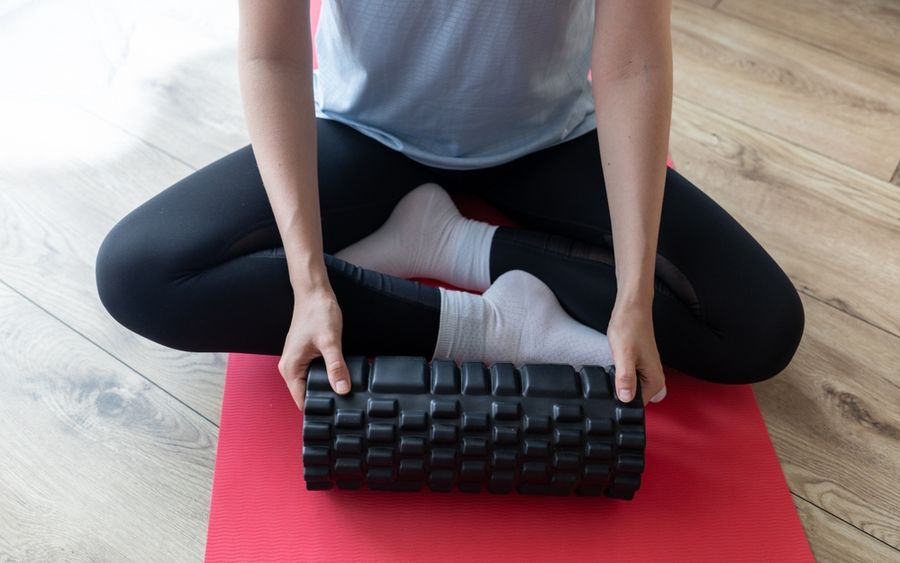
Foam rollers have become a popular massage tool for easing muscle tension or pain, improving flexibility, preventing injury, and speeding up recovery after workouts. Whether you're stretching before a morning run or unwinding after a long day, using a foam roller can make your muscles feel looser and more refreshed. For people who want a simple, affordable way to support their recovery at home, choosing the right foam roller is important. Different types offer different benefits, and knowing what to look for helps you pick the best fit.
Smooth Foam Rollers: Great for Beginners and Full-Body Use
Smooth, flat-surface foam rollers are one of the most common types because they work well for people of all experience levels. Their surface is consistent from end to end, allowing your body weight to apply even pressure across the muscles. This makes them excellent for loosening general tightness, warming up before exercise, or cooling down afterward.
Because smooth rollers create gentle, uniform pressure, they are less intense than textured rollers. This makes them an ideal choice for beginners or anyone who prefers a less aggressive massage. They can help release tension in a large number of body parts including the back, quads, calves, and shoulders without overstimulation.
These softer foam rollers also come in several densities, including soft, medium, and firm. A softer roller offers a gentler feel, while firmer materials provide deeper muscle compression. If you're new to foam rolling or prefer a comfortable experience that covers multiple areas, smooth rollers are a dependable and user-friendly option.
Textured Foam Rollers: Targeted Pressure for Deep Relief
Textured foam rollers include ridges, bumps, or patterns designed to mimic the feel of a massage therapist's hands. These raised sections provide more targeted pressure, making them ideal for people who want strong relief for tight spots or knots.
The main advantage of textured rollers is precision. When you roll over areas of built-up tension—like the upper back, glutes, or IT band—the raised textures dig deeper into the muscle tissue. This can help break up tightness that smooth rollers may not reach as effectively.
Textured rollers come in a wide variety of designs, from gentle patterns to aggressive spikes. When choosing one, consider how much intensity you want. While some people enjoy the strong pressure provided by more pronounced textures, others may find it uncomfortable. For athletes or anyone with specific tight areas that need deeper work, textured foam rollers offer powerful assistance.
Vibrating Foam Rollers: Added Stimulation for Enhanced Recovery
Vibrating foam rollers combine traditional rolling with built-in vibration technology. These devices use a small internal motor to generate vibration throughout the roller, helping to stimulate muscle fibers and improve relaxation. In some ways, they offer similar benefits to massage guns.
The key benefit of vibration is that it helps muscles loosen more quickly by providing a more targeted massage. The combination of vibration and pressure can make rolling feel more effective without requiring as much effort. Many vibrating rollers offer multiple intensity settings, allowing you to choose a gentle buzz or stronger pulses depending on your comfort level.
These rollers are especially useful for people who want fast recovery after tough workouts or who struggle with chronic tightness. While they tend to be more advanced than basic models, their added features make them a great option for anyone seeking a higher level of muscle relief.
Compact and Travel-Friendly Rollers: Easy to Use Anywhere
Compact foam rollers are designed for portability and quick use. While full-size, long rollers are great for home workouts, compact versions offer the convenience of recovery on the go. These smaller rollers can fit in a gym bag, suitcase, or desk drawer, making them ideal for people who travel often or exercise outside the home.
Despite their smaller size, compact rollers can still deliver effective relief. They work especially well for targeted areas like calves, hamstrings, arms, and feet. Some versions include firm cores, making them surprisingly powerful despite their lightweight build.
Compact rollers are also useful for desk workers or commuters who experience tightness from long periods of sitting. A few minutes of rolling during breaks can help reduce stiffness and improve circulation. If you want an easy way to support your recovery wherever you are, a compact roller can help you achieve it, offering both convenience and performance.
What To Consider When Choosing a Roller
Selecting the best foam roller depends on your comfort level, muscle recovery goals, and how you plan to use it. If you're new to foam rolling or prefer a gentle experience, a smooth roller with medium density is a great starting point. If you want more intense pressure for knots or specific tight areas, a textured roller can help reach deeper layers of muscle.
Think about your typical activities, any regular areas of tension, and how often you plan to use the roller. The right choice will help you make foam rolling a simple, effective part of your routine. Here's what to keep in mind before buying one.
Density and Firmness
Softer rollers work well for beginners or anyone with high sensitivity, since they ease you into the pressure without causing bruising. Firmer, denser rollers deliver deeper tissue work and tend to hold their shape longer, making them a better fit for athletes or anyone with more experience rolling out tight muscles.
Surface Texture
Smooth rollers offer even, general pressure across larger muscle groups like the quads or back. Textured rollers, with ridges or knobs, target specific knots and trigger points more precisely, though they can feel intense for first-timers.
Size and Shape
Standard full-length rollers (around 36 inches) are versatile for larger muscle groups, while shorter rollers (12 to 18 inches) are easier to travel with and better for targeting smaller areas like calves or forearms. Half-round rollers add stability and work well for balance exercises alongside myofascial release.
Vibrating vs. Non-vibrating
Vibrating foam rollers add a pulsing element that can further relax muscles and increase blood flow, often reducing the time needed to release tension. They cost more and require charging, so they're worth it mainly for frequent users or those managing chronic tightness.
Durability and Material
EPP (expanded polypropylene) foam holds up better for long term use compared to basic EVA (ethylene vinyl acetate) foam, resisting the indentations and softening that come with regular use. If you plan to use your roller often, investing in a more durable, higher-density material will save you from replacing it every few months.
Price
Basic foam rollers can cost as little as $20 and are a good choice for casual use. Mid-range options with textured surfaces or firmer density typically run $40 to $70, while vibrating or app-connected rollers can easily climb to $80 or more. Spending more usually buys better durability and added features, but a basic roller is better suited to those just starting out.
A Simple Tool With Big Recovery Benefits
Foam rollers offer an easy, accessible way to support muscle recovery, reduce soreness, and improve flexibility. With options ranging from smooth rollers to textured, vibrating, and compact versions, there's a model for every need and comfort level.
For people looking for a practical recovery tool, the right foam roller can make workouts feel easier, daily movements more comfortable, and muscles healthier over time. In turn, they can help you stay active and feel your best year-round.
We created this article in conjunction with AI technology, then made sure it was fact-checked and edited by a SpendModo editor.